From Invitation to Plantation: A New Way to Celebrate Love
By Adhvikaa Team | Updated August 2026
What This Article Covers
- Why couples are rethinking the traditional wedding invitation.
- How an invitation can move from paper to plantation, step by step.
- The emotional and environmental value behind this shift.
- What to consider before choosing a plantable invitation for your own wedding.
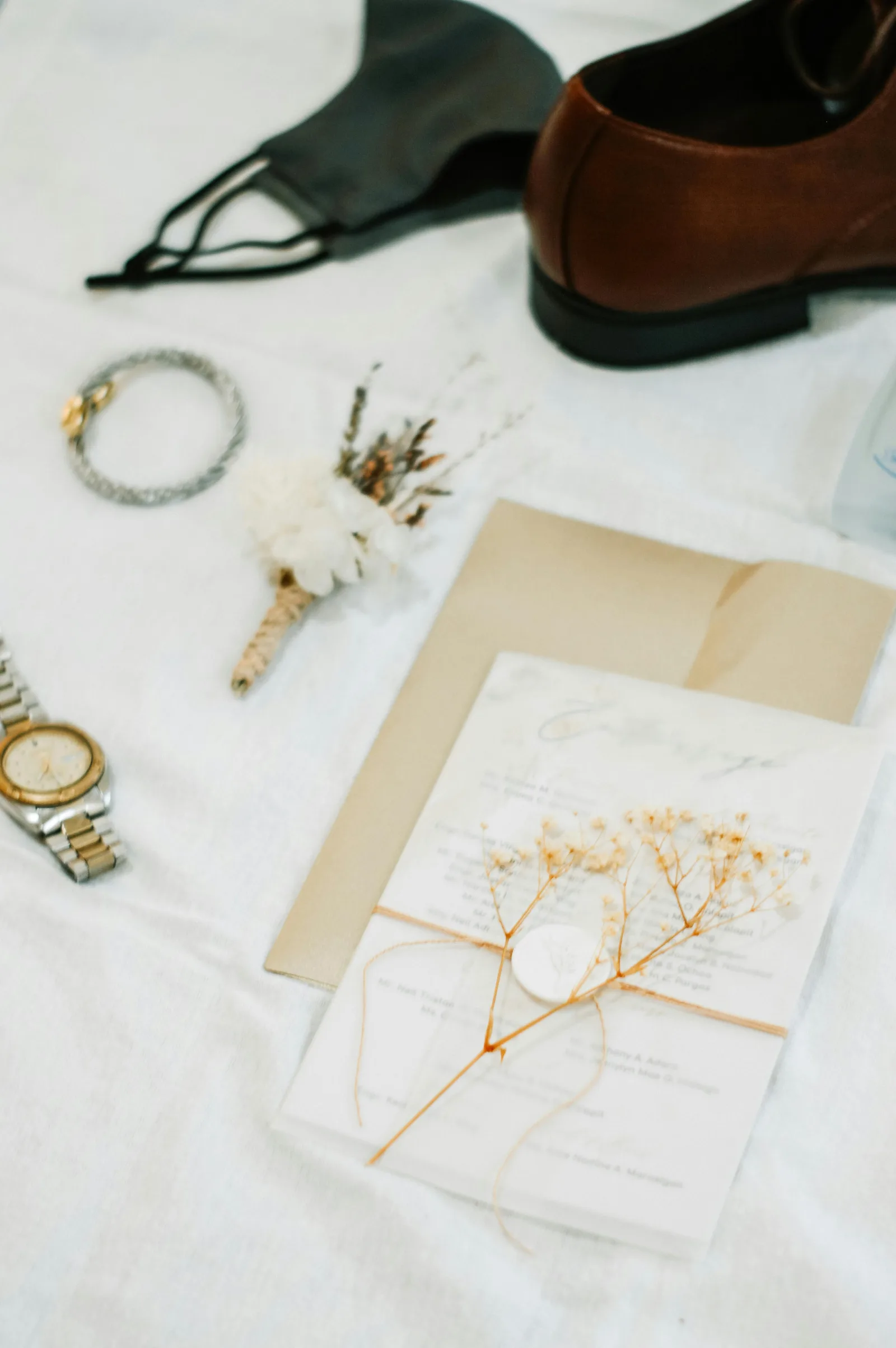
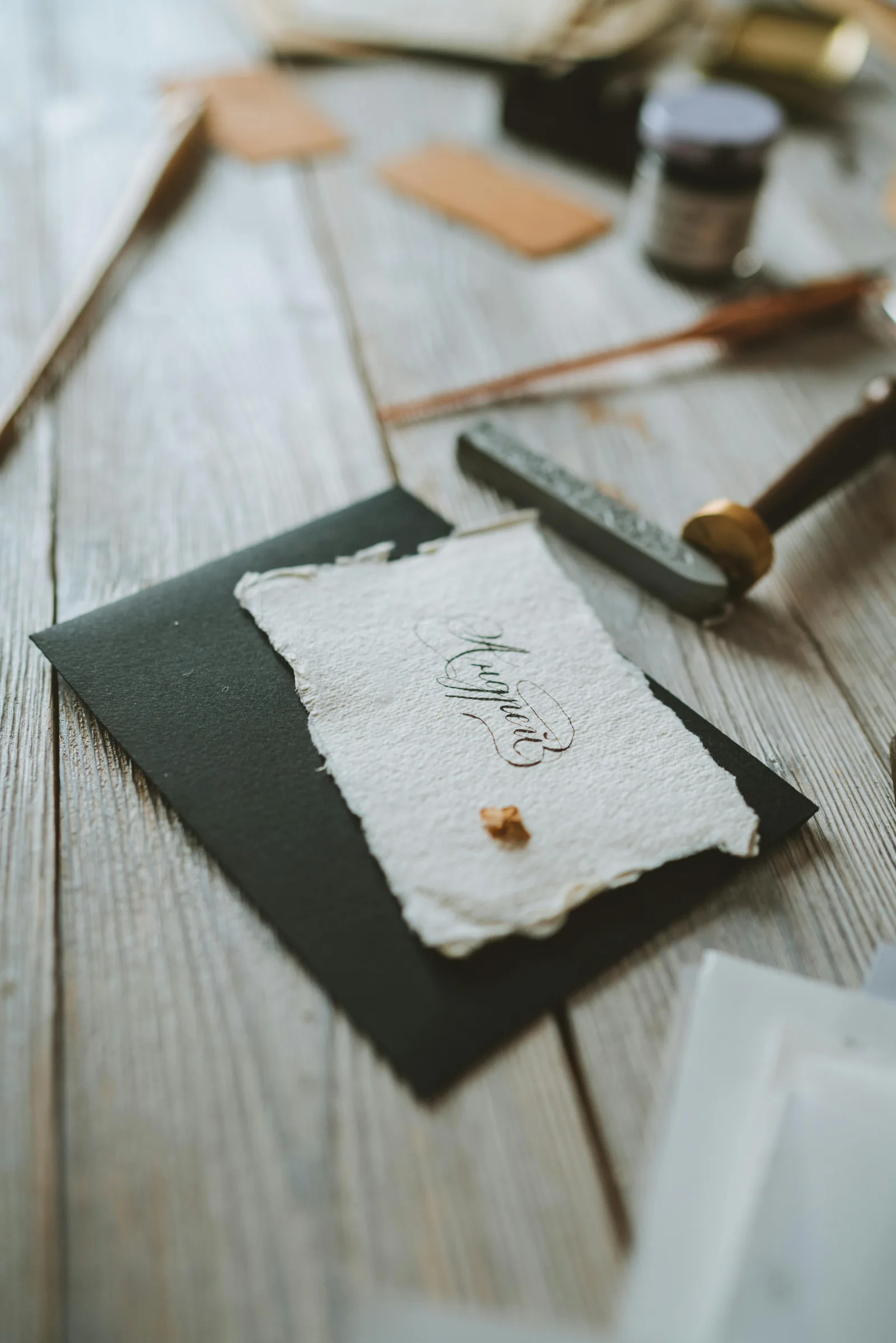
Weddings are built on symbols. The rings represent commitment, the exchanged vows represent promises, and the invitation, often overlooked, represents the very first announcement of a couple's new chapter. For generations, that announcement lived on printed cardstock, admired for a moment and then filed away or discarded. A newer approach is changing that script entirely, turning the invitation itself into the beginning of something that keeps growing long after the wedding is over.
This idea, moving an invitation from paper to plantation, is more than a clever marketing angle for stationery brands. It reflects a genuine change in how couples think about the objects they hand to guests. Instead of asking only "does this look elegant," more couples are asking "does this still mean something a month from now." That question is where the shift from invitation to plantation begins.
It also helps that this shift arrives at a moment when the wedding industry itself is being questioned on excess. Elaborate décor, single-use favours, and printed materials that exist for a single afternoon have all come under scrutiny as couples try to balance celebration with responsibility. A plantable invitation fits neatly into that recalibration, offering a way to keep the sentiment of a physical keepsake without adding to the pile of things eventually thrown away.
Why the Traditional Invitation Is Being Reconsidered
A typical wedding invitation is printed, mailed or handed out, displayed briefly on a shelf or refrigerator, and then thrown away once the date has passed. Multiply that by a guest list of a few hundred people, and a single wedding can generate a surprising volume of paper waste for something that served its purpose within a matter of weeks.
Couples planning weddings today are more conscious of that cycle than previous generations. Sustainability has moved from a niche preference to a standard consideration in vendor selection, venue choice, and even stationery design. At the same time, guests increasingly value experiences and keepsakes over disposable items, which has pushed stationers to design invitations that do not simply end when the wedding does.
The Journey from Invitation to Plantation
The transformation from a wedding card to a living plant follows a clear sequence, and understanding each stage helps explain why the format has resonated with couples looking for something more meaningful than standard cardstock.
- Sourcing and pulping: Recycled paper fibres are broken down and mixed with a carefully chosen selection of seeds suited to easy germination, such as wildflowers, herbs, or marigolds.
- Pressing into sheets: The seed-infused pulp is pressed and dried into paper sheets, with seeds distributed evenly so no single card ends up without any.
- Printing the details: Names, dates, and venue information are printed using inks that will not harm the seeds once the card is eventually planted.
- Reaching the guest: The card is delivered exactly like a conventional invitation, carrying the couple's story to family and friends ahead of the celebration.
- Returning to the earth: After the wedding, the card is torn into pieces, planted a short distance into moist soil, and watered regularly until sprouts appear, usually within a few weeks.
What makes this journey different from an ordinary invitation is that its story does not end at the reception. It continues quietly on a windowsill or in a garden bed, giving guests a reason to think about the couple again weeks after the last toast has been made.
The Emotional Value Behind the Shift
There is a reason this format has struck a chord beyond its environmental appeal. A flower that grows from a wedding invitation carries a kind of quiet symbolism that a framed photograph or a printed program does not. It grows slowly, requires attention, and rewards patience, much like a relationship itself. For many couples, that parallel is part of the appeal.
Guests often describe a small sense of connection when they see the plant they grew from a wedding card bloom, a reminder of the couple and the day itself, prompted not by a photo but by something living. That connection tends to last longer than a printed keepsake, since caring for a plant naturally brings the memory back to mind every time it is watered or repotted.
There is also a shared quality to the experience. Unlike a photograph that only the couple can truly relive, a grown plant is something each guest cultivates individually, on their own timeline, in their own space. That makes the memory personal rather than borrowed, since the flower on a friend's balcony grew from their own effort, not simply from attending someone else's celebration.
What Couples Should Think About Before Choosing This Route
Not every plantable card performs identically, so a few practical decisions matter before committing to the format for an entire guest list. Choosing seeds suited to the local climate improves the odds that guests will actually see something grow, rather than being left with a card that never sprouts. A short planting instruction, printed on the back of the card or included as a small insert, also makes a meaningful difference, since many guests will not know the correct planting depth or watering routine without guidance.
Cost is worth planning for as well. Plantable stationery generally costs more than standard printed cards because of the specialised paper-making process, so couples working with a fixed stationery budget may choose to use it for a subset of invitations, save-the-dates, or thank-you cards rather than the entire mailing. Timing also matters in colder climates, where a card received in winter may need to wait several months before planting, which is worth mentioning to guests so the delay does not read as a failed seed.
A Small Object With a Larger Message
At its core, the shift from invitation to plantation reflects something couples increasingly want from their wedding choices: objects that carry meaning past a single day. A card that becomes a flower is a small gesture, but it asks something unusual of the people who receive it. Instead of simply attending an event, guests are invited to nurture a small piece of it themselves, watching something grow from the same paper that once announced a wedding.
That act of planting, however modest, turns a passive guest into an active participant in the couple's story. It is a detail easy to overlook amid the larger decisions of a wedding, yet it is often the one guests remember longest, not because of how the card looked, but because of what it became.
Conclusion
An invitation has traditionally marked the start of a wedding and little else. The move from invitation to plantation reframes that object entirely, turning a piece of paper meant to be read once into something meant to be planted, watered, and watched over time. For couples looking to celebrate love in a way that grows rather than fades, this small shift in stationery offers a meaningful place to begin, one seed, one card, and one blooming reminder at a time.