Why Seed Paper Is Perfect for Wedding Invitations
By Adhvikaa Team | Updated August 2026
What This Guide Covers
- What seed paper is and how it is made.
- Why couples are choosing seed paper over traditional wedding stationery.
- The practical and environmental benefits seed paper brings to a wedding.
- How to plan, print, and present seed paper invitations so guests actually plant them.
Couples planning a wedding today are paying closer attention to where every part of their celebration ends up once the day is over, and invitations are no exception. A beautifully designed card that goes straight into the trash feels increasingly at odds with a couple's values. Seed paper solves this problem simply, turning a piece of stationery that would normally be discarded into something that continues to grow long after the wedding date has passed.
This guide explains what seed paper is, why it has become such a popular choice for wedding invitations, and how couples can use it effectively so guests genuinely plant it rather than setting it aside like any other card.
What Is Seed Paper?
Seed paper is handmade paper embedded with real, viable seeds, usually flowers, herbs, or a wildflower blend, pressed directly into the paper fibers during manufacturing. Unlike ordinary paper that is coated with seeds afterward, seed paper is made by blending recycled paper pulp with seeds and pressing the mixture into sheets, so the seeds stay held securely within the paper itself.
Because the base material is typically recycled cotton, linen scraps, or post-consumer paper, seed paper is fully biodegradable and free of the plastics and heavy inks that prevent conventional paper from breaking down. When planted and watered, it decomposes naturally, releasing the seeds inside to germinate, whether wildflowers, sunflowers, or herbs like basil and thyme.
Seed paper is not a new invention, but its use in weddings has grown quickly as couples look for stationery that feels meaningful rather than disposable. What was once a niche option offered by a handful of specialty printers is now widely available, with textures, colors, and seed blends to match almost any wedding aesthetic.
Why Couples Are Choosing Seed Paper for Their Invitations
Wedding stationery has traditionally been treated as a one-time expense, admired briefly and then forgotten. Seed paper changes that relationship entirely. Instead of asking guests to hold onto a card indefinitely or throw it away with a slight sense of guilt, seed paper gives guests a clear, satisfying next step: plant it, water it, and watch something grow.
This shift matters because it aligns the invitation itself with the emotional tone of a wedding. A wedding is fundamentally about beginnings, a new chapter, a new home, a new family, and seed paper mirrors that idea physically. A guest who plants their invitation is participating in a small, ongoing symbol of growth that continues long after the ceremony ends. Many couples mention this connection directly in their invitation wording, inviting guests to plant the card and watch their wedding day bloom again each season.
There is also a practical dimension driving this trend. As more couples plan sustainable weddings across every category, from florals to favors to catering, invitations were often the one area left untouched, largely because couples assumed eco-friendly paper meant sacrificing design quality. Seed paper has closed that gap, since modern seed paper stationery can be printed with the same crisp typography, foil accents, and elegant layouts as traditional cardstock.
The Practical Benefits Seed Paper Brings to a Wedding
Beyond its environmental appeal, seed paper offers several practical advantages that make it a smart choice for wedding stationery specifically.
Seed paper eliminates the awkward question of what to do with an invitation after the wedding. Traditional cards often end up stored in a drawer out of sentimentality, or thrown away because there is no better option. Seed paper resolves this tension by giving the card an intentional final use that guests feel good about completing, rather than leaving them to choose between clutter and guilt.
It also leaves a stronger impression than standard cardstock. A wedding invitation is typically viewed for a few seconds before being set aside, but a seed paper invitation invites a guest to interact with it directly, making the wedding, and the couple, more memorable well before the day itself.
Seed paper also pairs naturally with a wider sustainable wedding theme. Couples already sourcing local flowers, choosing a farm-to-table menu, or renting their attire often find that seed paper invitations complete the story they are telling through the rest of their wedding choices, rather than feeling like an isolated gesture, since it is usually the very first sustainable detail a guest encounters.
Finally, seed paper works well across a wide range of budgets. Because it is available in various weights, textures, and seed blends, couples can choose an option that fits their overall stationery budget, whether printing a small, intimate suite or a larger set that includes save-the-dates and thank-you notes.
How to Plan and Present Seed Paper Invitations Effectively
Choosing seed paper is only the first step. A few thoughtful decisions make the difference between guests genuinely planting their invitations and guests simply setting them aside.
Clear instructions matter more than couples often expect. Many guests have never encountered seed paper before and will not know it can be planted unless the invitation tells them directly. A short line on the card, or a small accompanying insert explaining how to plant it, along with basic guidance on soil depth and watering, noticeably increases the number of guests who actually follow through.
Seed selection should reflect both the season and the couple's own preferences. A wildflower blend suited to the guests' general climate works well for a broad guest list, since it does not require any special gardening knowledge. Couples getting married in a specific region sometimes choose native wildflower blends, which support local pollinators and germinate more reliably in that climate. Herb blends, such as basil or thyme, are a popular alternative for couples wanting a more practical, kitchen-garden feel.
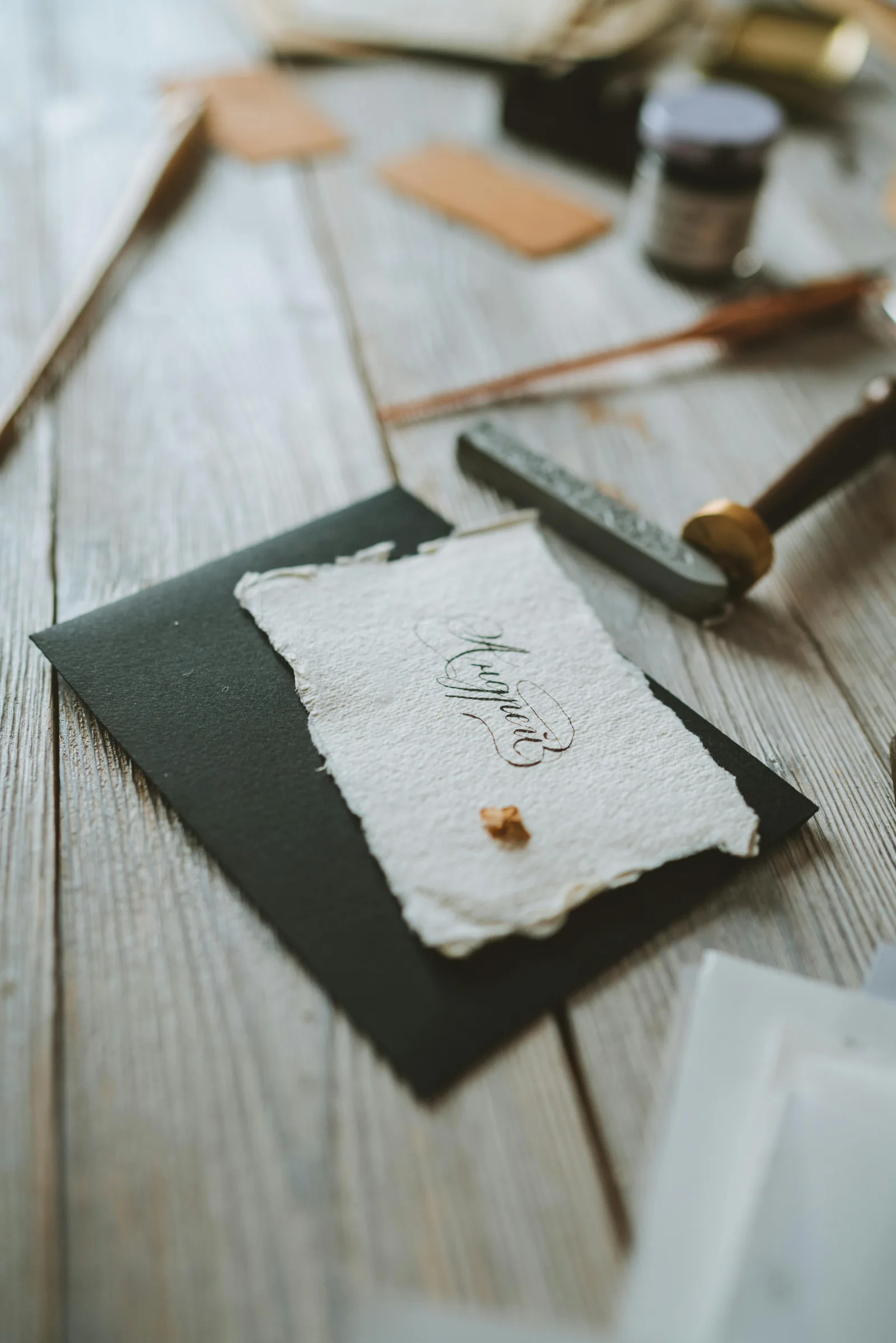
Printing method matters too. Because seed paper has a slightly textured, handmade quality, not every printing method works equally well. Letterpress and digital printing tend to produce the cleanest results, while heavy ink coverage or intricate foil detailing can sometimes affect how easily the paper later breaks down. Working with a printer experienced in seed paper helps the final invitations look polished while remaining fully plantable.
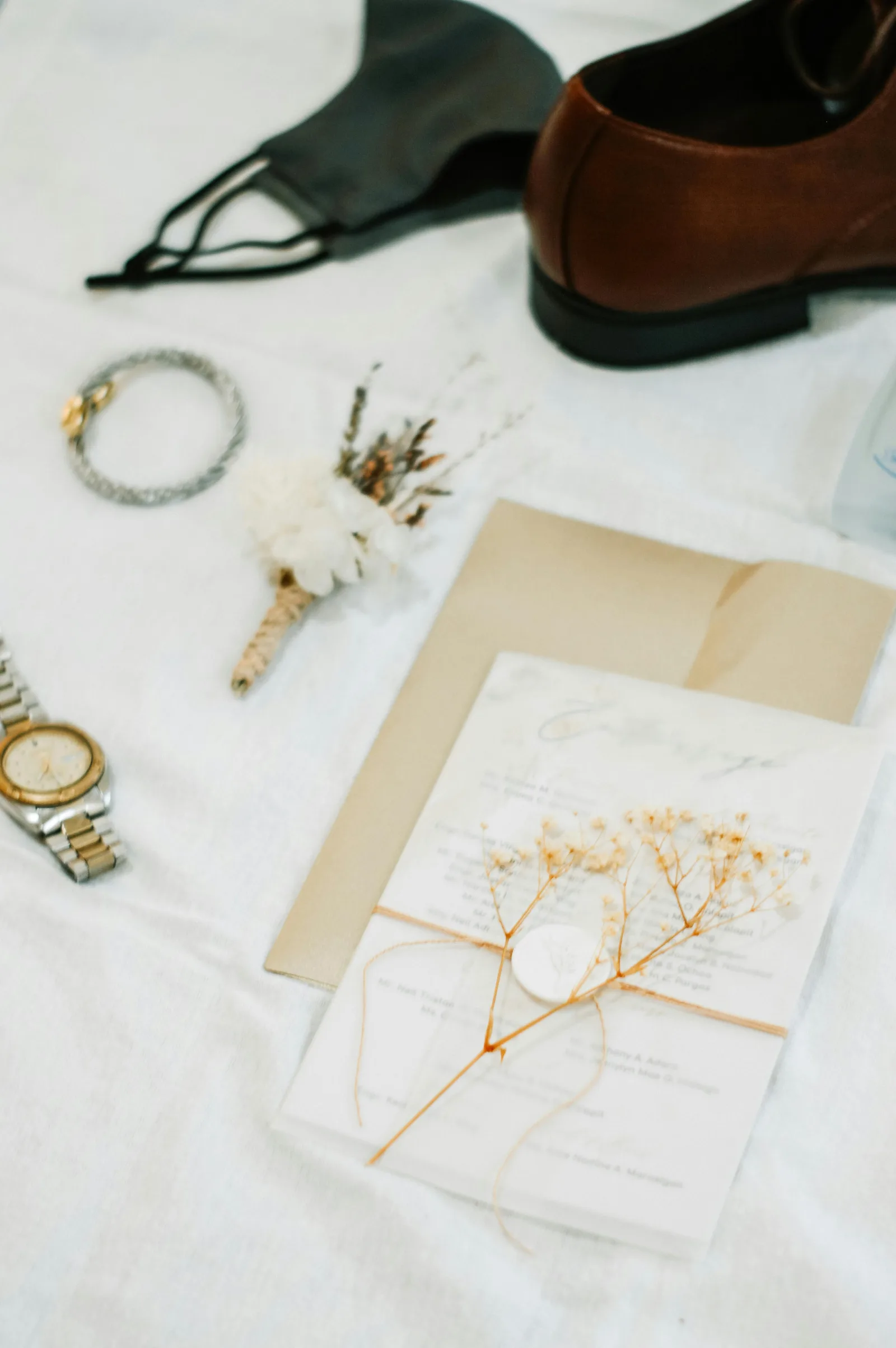
Finally, think about how the invitation is packaged. Seed paper invitations pair naturally with recycled or kraft paper envelopes, continuing the sustainable theme from the moment a guest receives the mail, while skipping plastic labels or glossy inserts keeps the whole package consistent with the spirit of the invitation itself.
Frequently Asked Questions
1. Does seed paper actually work, or is it mostly a novelty item?
Seed paper genuinely works when guests follow basic planting instructions, though germination rates vary depending on the seed blend, soil quality, and climate.
2. Is seed paper suitable for formal or traditional wedding invitations?
Yes. Seed paper can be printed with elegant typography, foil accents, and traditional formatting, so couples do not need to sacrifice a formal aesthetic.
3. How long does it take for seed paper to grow once planted?
Germination timelines depend on the seed blend, but most wildflower or herb blends begin sprouting within one to three weeks of planting.
4. Can seed paper be used for more than just the main invitation?
Yes. Many couples extend seed paper to save-the-dates, response cards, and thank-you notes, giving guests several small planting opportunities.
5. Is seed paper more expensive than traditional wedding stationery?
Pricing varies by supplier, but seed paper is generally comparable to premium traditional cardstock, making it an accessible upgrade rather than a major added expense.
Final Thoughts
Seed paper turns one of the most disposable elements of a wedding into one of the most enduring. Instead of asking guests to store or discard a card once the celebration has passed, it gives them something to plant, nurture, and watch grow, echoing the same sense of new beginnings a wedding itself represents.
For couples building a wedding around thoughtful, sustainable choices, seed paper invitations are often the easiest place to start. They require no major planning overhaul, fit naturally alongside almost any design aesthetic, and leave guests with a lasting, living reminder of the day.