How Eco-Friendly Wedding Choices Reflect Modern Couple Values
By AdhvikAa Team | Updated August 2026
What This Guide Covers
- Why eco-friendly weddings are becoming important to modern couples.
- How sustainable choices reflect personal values, social responsibility, and lifestyle priorities.
- Practical ways to reduce waste through clothing, food, décor, invitations, and travel.
- How couples can plan a meaningful celebration without compromising style or comfort.
A wedding is one of the most personal celebrations in a couple’s life. It brings together families, traditions, friendships, memories, and hopes for the future. However, modern couples are also beginning to consider another important question: how can their wedding celebration respect the planet that they will share for the rest of their lives?
Eco-friendly weddings are no longer limited to simple decorations or small private ceremonies. Couples today are finding creative ways to reduce waste, use resources responsibly, support local businesses, and celebrate their relationship with greater purpose. Their choices show that sustainability can be elegant, practical, and deeply personal.
An environmentally conscious wedding does not mean removing joy, colour, tradition, or luxury from the occasion. Instead, it means making thoughtful decisions about what is purchased, consumed, reused, donated, and discarded. These decisions often reveal the values that shape a modern couple’s identity and their vision for married life.
Why Eco-Friendly Weddings Matter
Traditional weddings can involve large quantities of food, flowers, paper, packaging, clothing, plastic, and transportation. Many of these materials are used for only a few hours before being thrown away or forgotten. A single celebration may create unnecessary waste when every detail is selected without considering its long-term impact.
Modern couples are more aware of these concerns because sustainability has become part of everyday decision-making. People are increasingly thinking about where products come from, how they are produced, and what happens to them after use. This awareness naturally influences wedding planning.
An eco-friendly wedding reflects the belief that happiness does not need to be connected with excessive consumption. Couples can still create a beautiful and memorable event while choosing fewer disposable items, reducing unnecessary purchases, and working with responsible vendors.
The goal is not perfection. It is progress. Even small choices, such as using digital invitations or serving locally sourced food, can reduce the environmental impact of a wedding when planned carefully.
Sustainability Shows Shared Values
Marriage represents a partnership, and wedding planning often provides the first major opportunity for a couple to make important decisions together. Choosing sustainable options shows that both partners are willing to discuss their priorities, balance expectations, and work towards a shared purpose.
Some couples may value environmental protection because of their personal beliefs. Others may have grown up with habits such as reusing clothes, avoiding food waste, or supporting local producers. For them, an eco-friendly wedding is not a temporary trend. It is a natural extension of the way they already live.
Sustainable planning can also express respect for future generations. Couples may want their celebration to reflect the kind of world they hope to create for their future children and communities. By reducing waste and making responsible choices, they connect their wedding day with a larger vision of long-term well-being.
This approach also encourages meaningful conversations. Couples may discuss whether they need elaborate return gifts, how much food should be ordered, or whether a particular decoration can be reused. These conversations can help them understand each other’s priorities before beginning married life.
Choosing Responsible Wedding Clothing
Wedding clothing is often one of the most significant purchases connected with the celebration. Traditional outfits, gowns, suits, jewellery, and accessories can be expensive and may be worn only once. Modern couples are therefore exploring options that provide both emotional value and responsible use.
One option is to wear family clothing that has been preserved and passed down through generations. A grandmother’s saree, a parent’s wedding accessory, or a traditional piece of jewellery can add personal meaning to the occasion. Reusing such items also reduces the need to purchase something entirely new.
Couples may also choose clothing made from natural, recycled, or ethically sourced materials. Working with local designers and artisans can support small businesses while reducing the environmental cost associated with long-distance transportation. Made-to-order clothing can also help reduce excess production.
Another practical choice is selecting wedding outfits that can be worn again. A saree, lehenga, suit, or dress that can be styled differently for future celebrations offers better value than an outfit designed for one occasion only. Some couples also donate their wedding clothes or exchange them through community networks after the ceremony.
The same principle can be applied to accessories. Renting jewellery, borrowing decorative items, or selecting timeless pieces can reduce unnecessary consumption without making the celebration look less special.
Reducing Waste Through Décor
Wedding décor creates the visual atmosphere of the celebration, but it can also generate considerable waste. Plastic flowers, foam structures, single-use banners, and synthetic materials may look attractive temporarily but often have limited value after the event.
Modern couples are choosing décor that can be reused, recycled, or returned to nature. Potted plants, living trees, fabric drapes, wooden signs, clay lamps, bamboo structures, and reusable metal stands can create a warm and stylish setting. After the wedding, plants can be taken home, gifted to guests, or planted in a community space.
Flowers can also be selected more responsibly. Local and seasonal flowers generally reduce the need for long-distance transportation and special storage. Floral arrangements can be designed for multiple purposes, such as using ceremony flowers later at the reception or donating them to hospitals, temples, or community organisations.
Minimalist décor is another growing choice. Instead of filling every corner of a venue, couples may focus on a few meaningful areas, such as the entrance, stage, dining space, and photography location. This creates a clean visual style while reducing material use and planning costs.
Making Food More Sustainable
Food is an important part of weddings, especially in Indian celebrations where hospitality and generous meals are closely connected with tradition. However, over-ordering can lead to significant food waste.
A sustainable approach begins with estimating guest numbers accurately. Couples can work with caterers to plan portions based on the expected attendance rather than ordering excessive quantities. A diverse menu can still be offered without preparing more food than necessary.
Local and seasonal ingredients are often a responsible choice because they support nearby farmers and reduce transportation requirements. Plant-based dishes can also be included more prominently in the menu. This does not require removing favourite traditional foods; instead, it creates a balanced selection that reflects health and environmental awareness.
Leftover food should be managed before the event begins. Couples can coordinate with caterers and food-rescue organisations to ensure that safe, untouched food reaches people who need it. Composting food scraps is another useful option when suitable facilities are available.
Serving methods also matter. Reusable steel plates, glassware, and cloth napkins can replace disposable plastic products. If disposable items are necessary, couples can explore compostable or biodegradable alternatives and ensure that waste is separated correctly.
Sustainable Invitations and Gifts
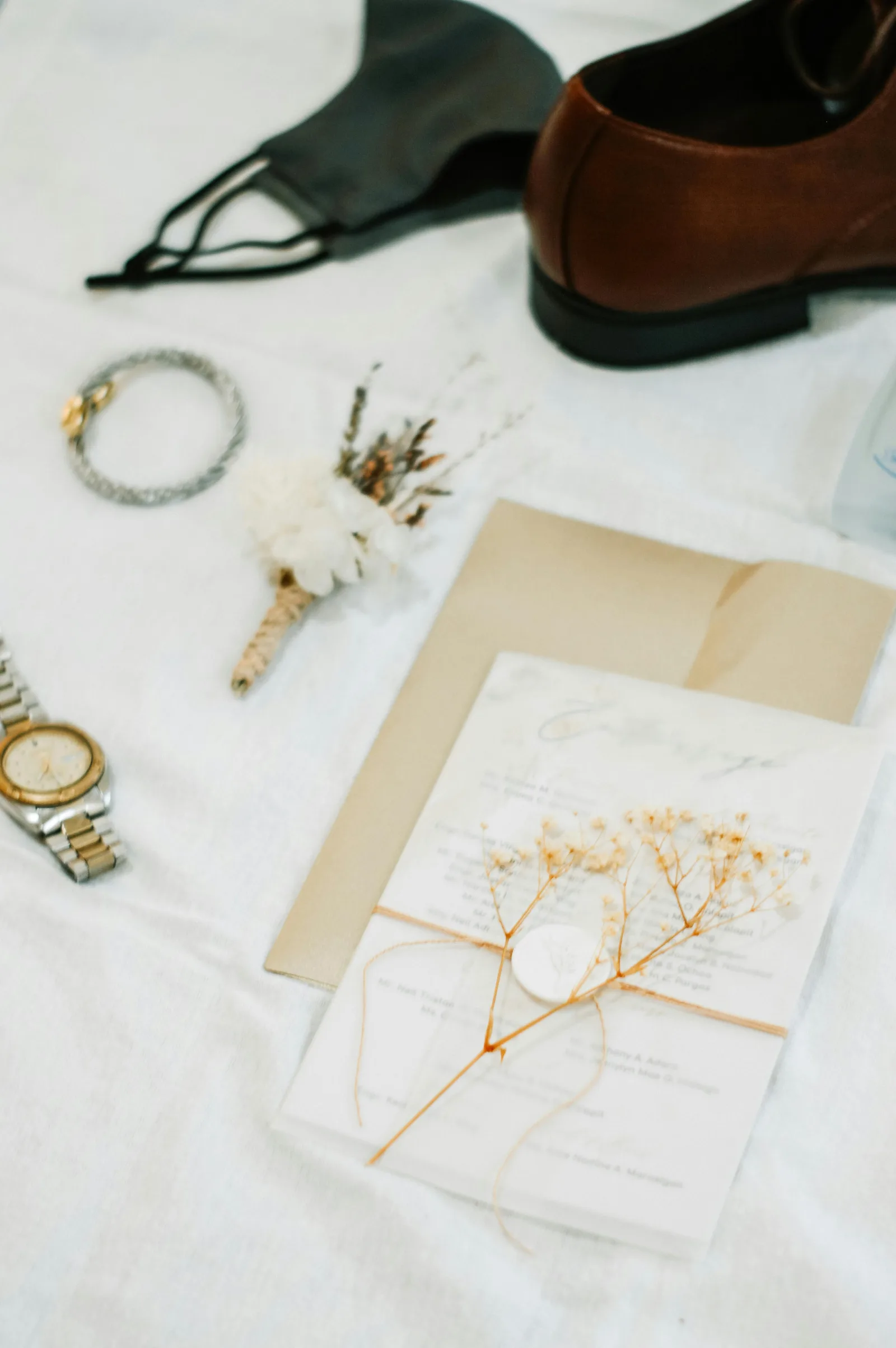
Wedding invitations are another area where modern couples are reconsidering tradition. Printed invitations can be beautiful, but they require paper, ink, packaging, and transportation. Digital invitations allow couples to share event details quickly while reducing material waste.
A digital invitation can still feel personal. Couples can include photographs, short videos, maps, programme details, and messages for guests. For elderly family members or guests who prefer printed communication, a small number of thoughtfully designed physical invitations can be created instead of printing one for every person.
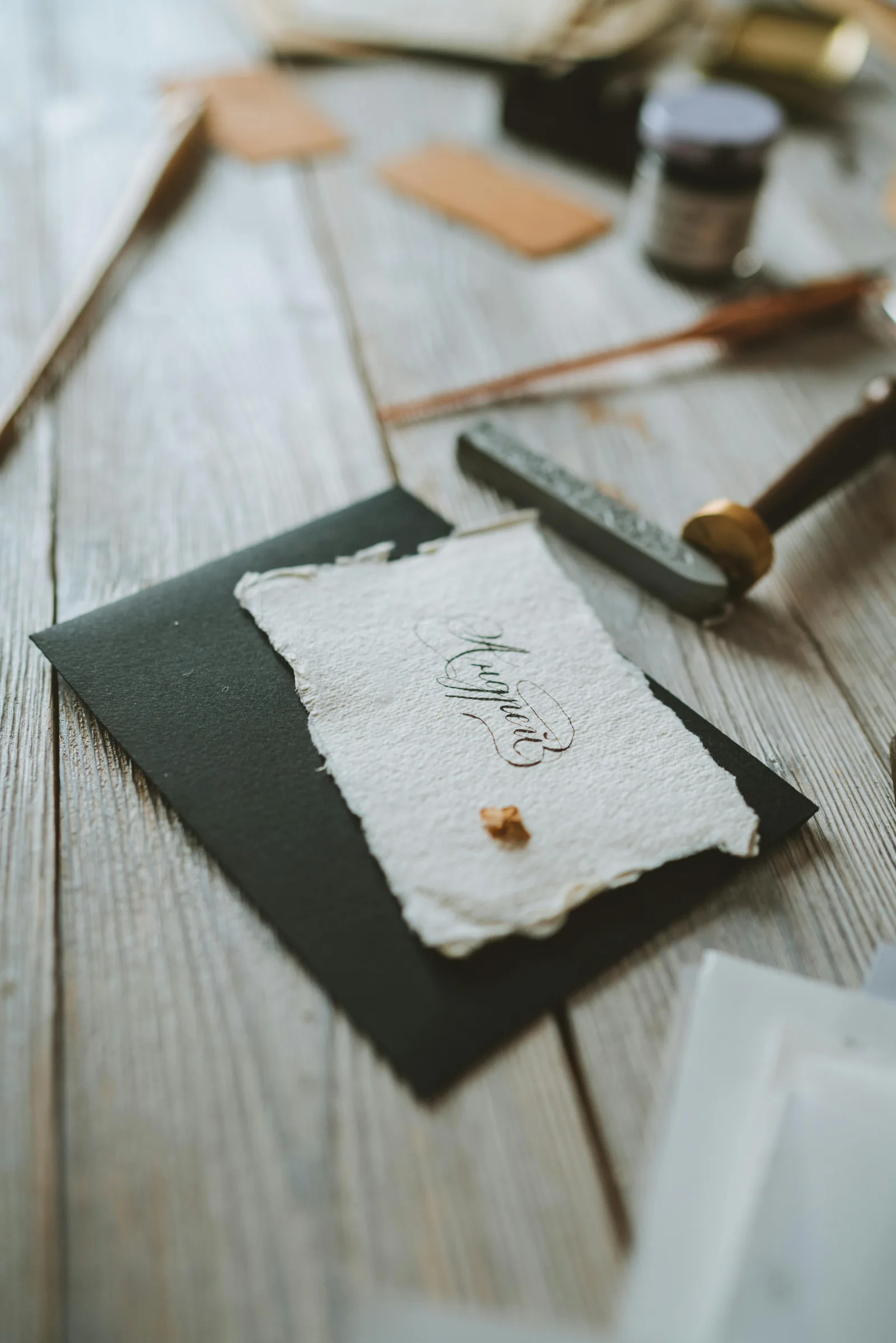
When choosing paper invitations, recycled paper, seed paper, vegetable-based inks, and minimal packaging are practical alternatives. Guests may even plant seed-paper invitations after the wedding, turning a communication item into something useful.
Return gifts can also reflect modern values. Instead of plastic objects that may not be used, couples can offer small plants, handmade products, reusable bags, organic food items, locally produced crafts, or charitable donations made in the guests’ names. These gifts communicate appreciation while encouraging responsible living.
Supporting Local and Ethical Vendors
The vendors a couple chooses can reveal how they view community and fair business practices. Selecting local photographers, decorators, caterers, tailors, florists, musicians, and event planners can support regional talent and reduce travel-related emissions.
Couples can ask vendors about their working methods. Useful questions include whether décor is reused, how food waste is handled, whether packaging is reduced, and whether workers are treated fairly. These conversations help couples identify businesses whose practices align with their values.
Choosing local vendors can also make the celebration more authentic. A regional menu, traditional craftwork, local flowers, and cultural music can create a stronger connection to the community. For weddings in cities such as Chennai or Coimbatore, working with nearby artisans and small businesses can add a distinct local character to the event.
Ethical vendor selection does not mean choosing the cheapest option automatically. It means considering quality, transparency, working conditions, material use, and long-term value rather than focusing only on price.
Eco-Friendly Travel and Venue Choices
Guest travel can contribute significantly to a wedding’s environmental impact. Couples can reduce this effect by selecting a venue that is convenient for most guests, arranging shared transportation, or providing shuttle services between hotels and the event location.
A venue with natural lighting, good ventilation, water-saving facilities, and waste-separation systems can support a more sustainable celebration. Outdoor venues may reduce electricity use during the daytime, although couples should also consider weather conditions and guest comfort.
Hosting the ceremony and reception at the same location can reduce travel between events. Virtual participation can also help guests who live far away or cannot travel. This approach allows important family members and friends to be part of the occasion without requiring long-distance journeys.
Frequently Asked Questions
1. Does an eco-friendly wedding have to be simple?
No. Sustainability is about making thoughtful choices, not eliminating beauty or celebration. A wedding can be elegant and luxurious while using reusable décor, local food, ethical clothing, and responsible waste management.
2. Are sustainable wedding choices more expensive?
Some options may cost more initially, but many can reduce expenses. Reusing clothing, choosing digital invitations, limiting décor, and avoiding unnecessary return gifts may lower the overall budget.
3. How can couples reduce food waste?
They can confirm guest numbers carefully, plan portions with the caterer, donate safe surplus food, use reusable serving items, and separate organic waste for composting where possible.
4. What are good eco-friendly return gifts?
Plants, reusable household items, local handicrafts, organic products, seed kits, and charitable donations are practical choices that guests can appreciate and use.
5. Can traditional wedding customs be included in a sustainable celebration?
Yes. Sustainability does not require giving up cultural traditions. Couples can preserve meaningful rituals while choosing reusable materials, limiting waste, and working with local artisans.
Final Thoughts
Eco-friendly wedding choices reflect more than concern for the environment. They show that modern couples value responsibility, thoughtful consumption, community support, creativity, and long-term thinking. Their wedding becomes an expression of how they want to live together after the celebration ends.
From reusable décor and ethical clothing to local food and digital invitations, every decision can carry meaning. A sustainable wedding does not need to follow a strict formula. It only needs to reflect the couple’s priorities and make a sincere effort to reduce unnecessary impact.
The most memorable weddings are not always the ones with the largest decorations or the greatest number of details. They are the celebrations that feel authentic to the people getting married. By choosing eco-friendly solutions, couples can create a beautiful beginning to their married life while showing care for their families, communities, and the planet.